Common warning signs every Florida lawn care homeowner should notice
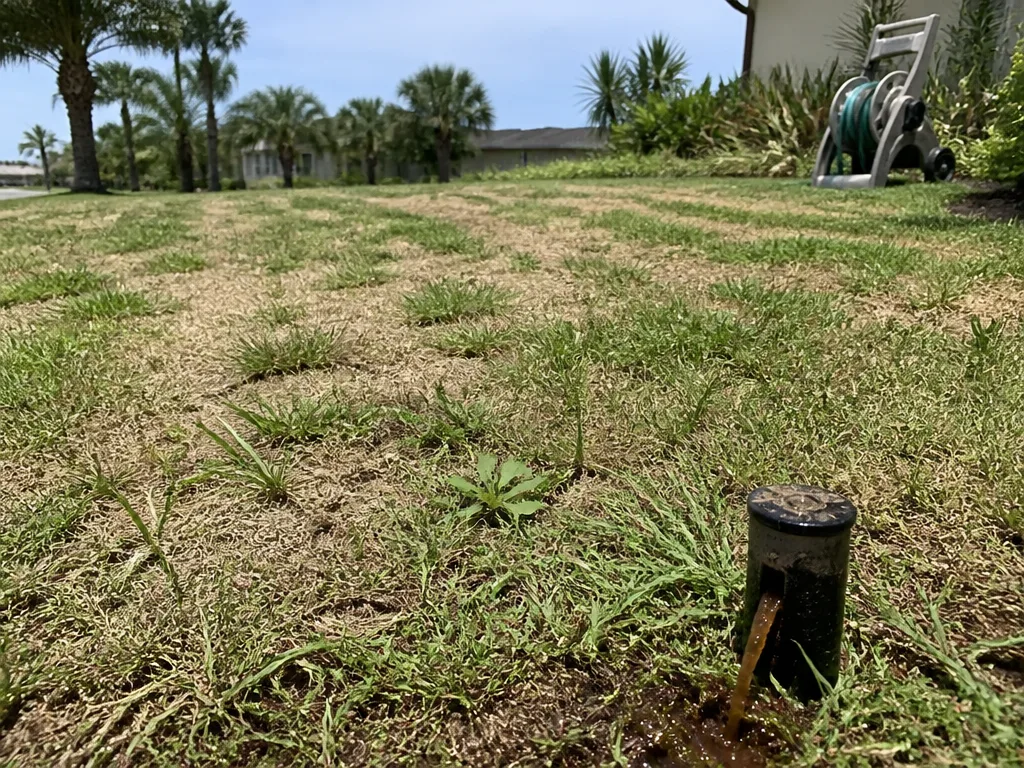
Across Florida, a healthy lawn should feel even underfoot, with blades that stand upright and a color that looks uniform from curb to edge. When a lawn starts to falter, you notice it quickly. The most telling signs include brown or pale patches that expand, thin or uneven growth, and a complexion that looks dull compared with healthy neighbors. Flagging areas aren’t just cosmetic; they often point to root stress, soil compaction, or irrigation gaps that let heat and drought take a toll.
Our team of lawn care specialists sees these patterns across Florida every season. In the panhandle and through the central part of the state to the southern keys, heat and humidity swing wildly. When you spot patches that don’t recover after a full sun day, or blades that look fried at the tips, it’s a signal to take a closer look at moisture and soil health.
What’s typically causing the signs you’re seeing
There are a few common culprits that show up in Florida yards. First is soil compaction, which makes it hard for roots to drink up water. You’ll notice it as a compact, hard feel when you step on the turf and slower recovery after traffic or mowing. Another frequent issue is irrigation gaps. Florida’s climate can demand more consistent moisture, especially in dry spells; uneven irrigation leaves dry patches while other areas stay soggy and prone to fungus.
Fungal browning is another red flag, especially in humid months. If you see circular brown spots with a defined edge, that’s a sign to inspect for disease or over-watering. And keep an eye out for weeds that march back after you pull them. A weed that reappears quickly often means the lawn is not strong enough to outpace it.
Next steps a Florida lawn care specialist might take
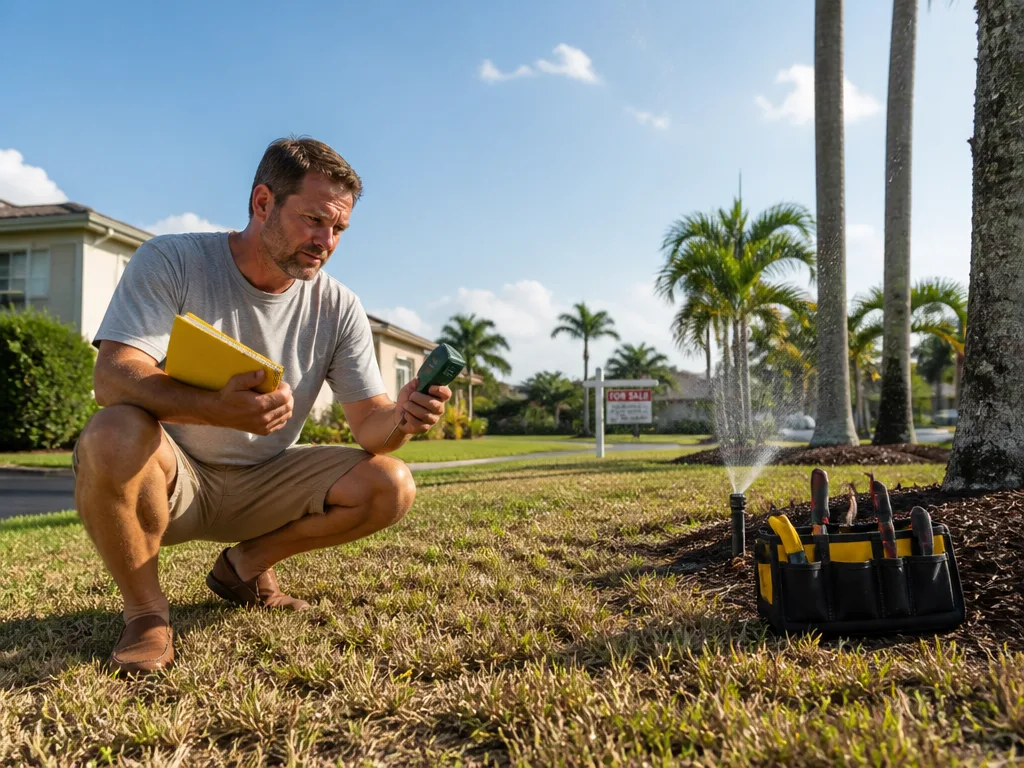
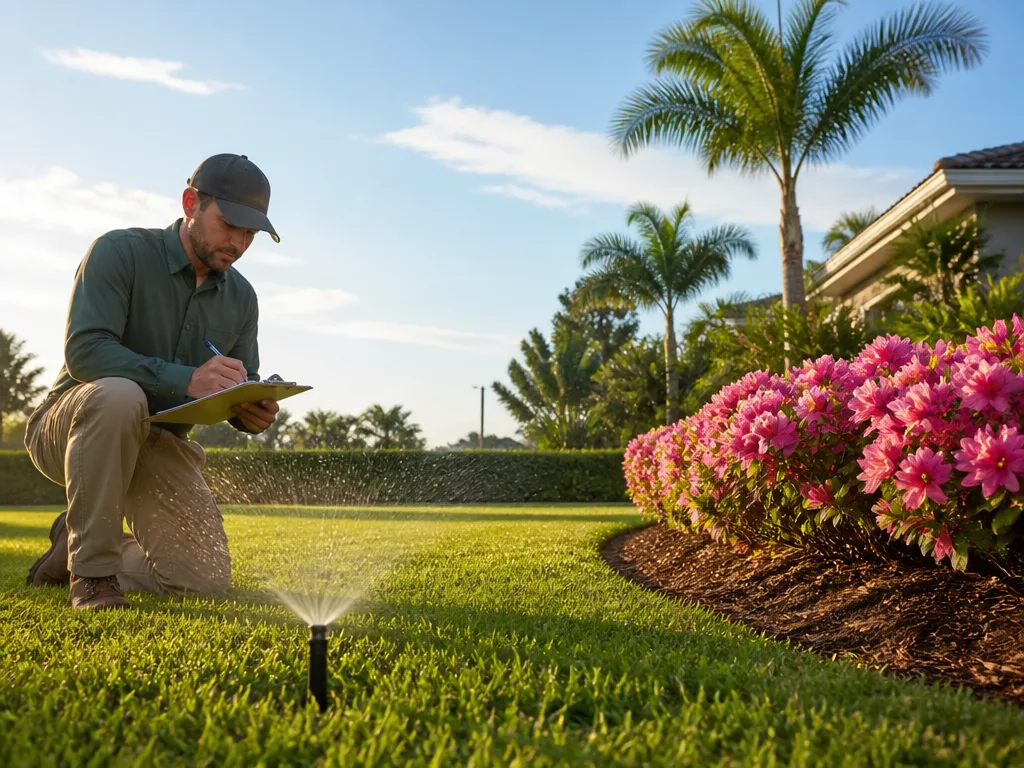
First, we assess soil and irrigation to understand moisture balance. We check the root zone and sample the soil to gauge compaction and nutrient content. If irrigation is uneven, we adjust head placement and run times so every inch of the yard gets a fair drink. We’ll also look for signs of fungal issues and recommend cultural steps to reduce leaf wetness during peak humidity.
For a lot of homeowners, a simple adjustment in mowing height and frequency can unlock a lot of resilience. If patches persist, a staged approach with core aeration, targeted feeding, and a revised watering plan helps more than a one-off fix. Across Florida, consistent care from a seasoned lawn care specialist yields the most reliable improvement without overdoing it.
Concrete, practical steps you can take now
- Adjust mowing height to the recommended range for your grass type and season; avoid scalping.
- Check irrigation zones and run times; ensure even coverage and avoid puddling.
- Aerate if soil feels compact; this helps water, air, and nutrients reach the roots.
- Monitor for new patches after heat waves and apply light, balanced feeding if soil tests look low.
If you’re unsure where to start, a free phone consultation with Florida Palm Tree Trimming can help you identify the first steps. We work with homeowners across Florida to keep lawns healthy through the heat and humidity year after year.